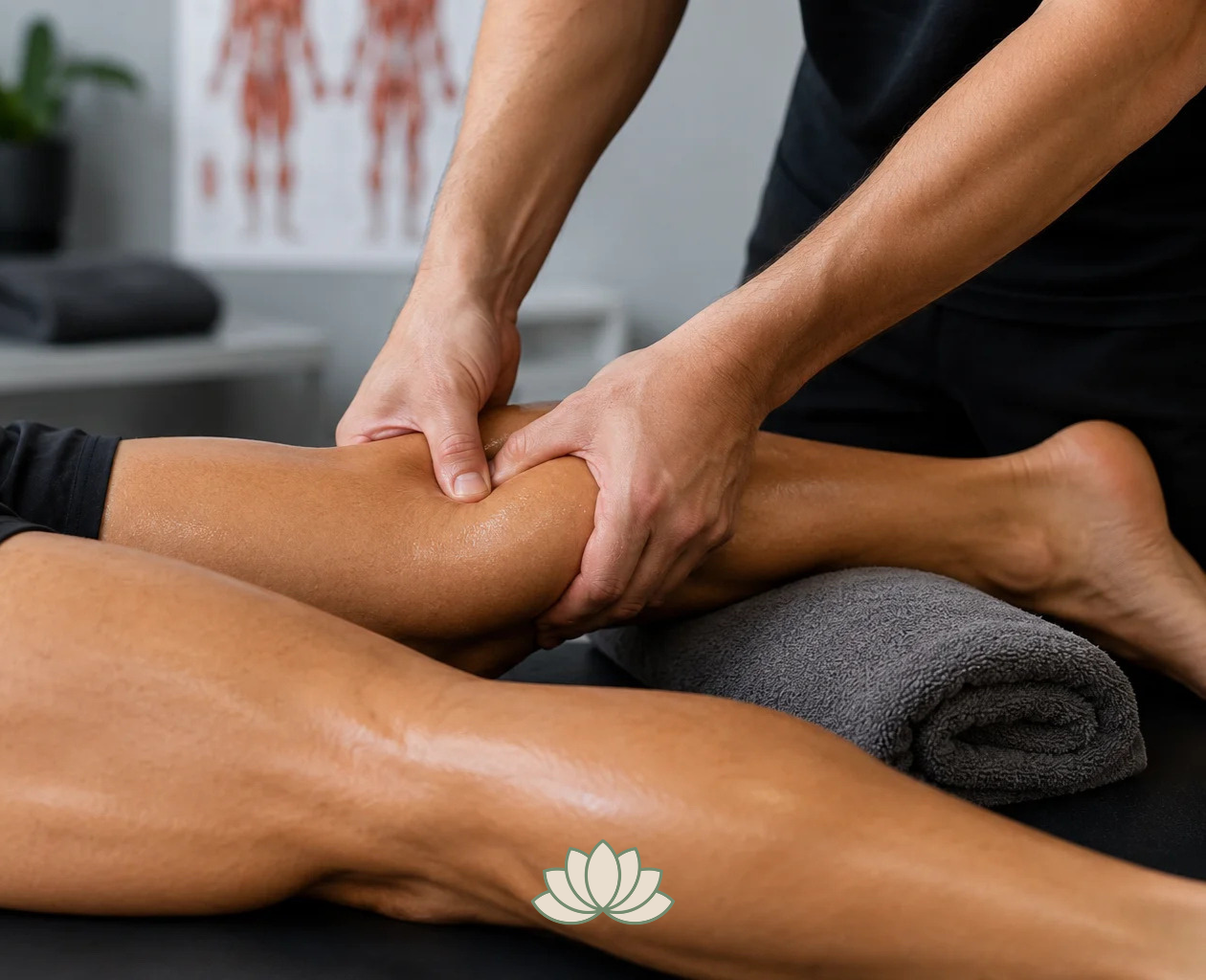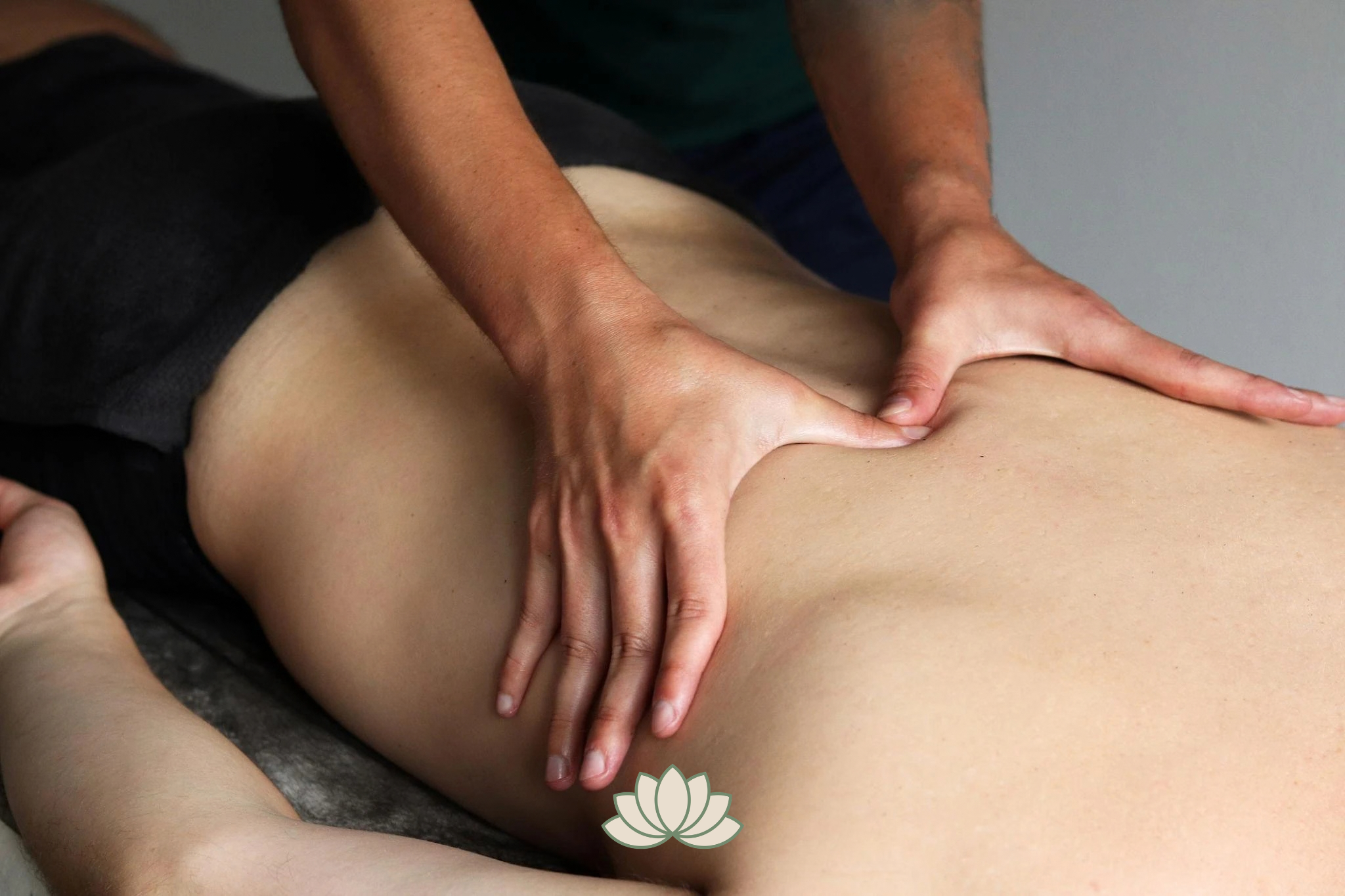
Feeling like your body is constantly stiff, or you can't quite move like you used to? Myofascial release might be the relief you've been searching for. This hands-on therapy is great for those nagging tight spots that just won't go away. If you've found yourself stretching only to feel the tightness return quickly, the issue might be with your fascia—the connective tissue that holds you together. At Free Movement Bodywork, our myofascial therapy is all about tackling these issues head-on, rather than just masking the symptoms.
Here’s what you’ll learn: how myofascial release can boost your mobility, what a session feels like, and how it fits into a bigger picture for pain relief and posture support. We’ll also touch on when other treatments like deep tissue massage or clinical massage might be beneficial. For those who love a bit of science, check out the National Center for Complementary and Integrative Health’s take on massage therapy and pain management here.
What Myofascial Release Actually Targets
Understanding Fascia and Movement
Fascia is this amazing web of connective tissue that wraps around your muscles, bones, and organs. When it’s in good shape, everything glides smoothly. But if it gets tight—due to stress, bad posture, or lack of movement—everything starts to feel heavy and awkward. Myofascial release aims to free up these restrictions, helping your body move with less effort and more grace.
Think of it this way: if the tissue around your muscles is tight, those muscles can't work properly. That affects how you walk, reach, and even breathe. Instead of forcing your body to move, myofascial release uses gentle yet firm pressure to encourage the tissue to loosen and reset.
Why “Tight Muscles” Aren’t Always the Whole Story
It's easy to think the problem is only with the muscles, but often the surrounding connective tissue is the real culprit. You might feel like your hamstrings are short, but the actual issue could be in your lower back or hips. That’s why stretching sometimes only provides quick relief. Myofascial release looks at the whole picture to improve mobility.
Understanding this can explain why tension in one part of your body can affect another area. For instance, tension in your jaw might cause issues in your neck and shoulders. If you’re dealing with these layered tension patterns, specialized treatments like jaw tension and TMJ massage might be helpful.
How Myofascial Release Improves Mobility
Restoring Tissue Glide
For easy movement, tissues need to slide against each other smoothly. When fascia gets sticky, it disrupts this glide, leading to stiffness. Myofascial release helps restore this glide, making everyday movements like getting out of bed or reaching overhead feel easier.
You might notice improvements in small ways at first, like turning in bed more easily or finding it less of a chore to get out of a car. Over time, these subtle changes add up to better overall function.
Reducing Protective Tension
Your body often responds to pain by tightening up an area to protect it. While this can be helpful short-term, it eventually limits movement and causes fatigue. Myofascial release can help calm this response by using gentle, sustained pressure to relax the body.
This is why myofascial release feels different from aggressive stretching—it encourages the body to relax, not fight back. Pairing this with craniosacral therapy or relaxation massage can enhance this calm, making movement easier.
Supporting Better Posture and Alignment
When fascia is tight, it affects posture. Shoulders might hunch forward, or your neck might jut forward. Myofascial release helps rebalance these patterns so you don’t have to work as hard to maintain good posture.
Good posture isn’t about standing like a soldier. It’s about organizing your body with less strain. As mobility improves, many find their posture feels more natural and less forced, especially during work or exercise.
What the Research Says About Massage and Mobility
Evidence for Pain and Movement Support
Research continues to back up the benefits of manual therapy for reducing pain and improving function. According to the Mayo Clinic, massage can help reduce muscle tension and promote relaxation, which makes movement more comfortable. Check out their overview here.
Myofascial work is particularly useful for improving range of motion and reducing that “stuck” feeling. Studies suggest manual therapy, especially when combined with exercise and home care, can enhance flexibility and mobility. The key takeaway? Consistency is crucial for lasting results.
Why Mobility Gains Depend on Consistency
Your body learns through repetition. If you’ve been holding a posture or moving in a certain way for a long time, it takes consistent effort to change that. One session might bring relief, but regular care helps solidify new, freer patterns.
That’s why pairing hands-on care with exercises, hydration, and better daily habits works best. For more insights into managing muscle tightness, check out our article on understanding muscle tightness.
Signs You May Benefit From Myofascial Release
Common Movement Limitations
Consider myofascial release if your body feels restricted during everyday activities. Tight hips, limited shoulder rotation, and low-back stiffness are common signs. If stretching or foam rolling provides short-term relief, this therapy might offer more lasting help.
Another clue is pain that changes with posture. Tightness in your chest or upper back might make sitting up straight difficult, while restricted hips might make walking uncomfortable. Myofascial release can tackle these root issues instead of just addressing symptoms.
Pain That Changes with Posture
Sometimes, pain shifts depending on how you sit, stand, or lie down. This often involves the fascia. Myofascial release can address the structural stress behind these patterns.
Pain can also manifest in less obvious ways, like headaches or persistent neck fatigue. Pairing myofascial therapy with chronic pain massage can help address broader tension patterns for more lasting relief.
What a Myofascial Release Session Feels Like
Slow, Attentive, and Individualized
Expect myofascial release to be slower than a typical massage. The therapist might use steady pressure or gentle stretches in areas that feel tight. It’s about giving your body time to respond and release tension.
People often describe the sensation as a mix of pressure and gradual release. It shouldn’t be painful. A good session is comfortable and adjusts based on your feedback.
How the Therapist Assesses Restriction
Before starting, the therapist might ask about your posture, pain history, and movement goals. They might also watch how you move. This helps pinpoint which tissue layers to focus on.
At Free Movement Bodywork, we emphasize this assessment in our approach. If swelling or inflammation is also a concern, lymphatic drainage massage might be suggested to support recovery.
What to Expect After Treatment
After your session, you might feel more spacious, aligned, or notice improved movement. Some feel immediate changes, while others see benefits over 24 to 48 hours. Mild soreness is possible, but you should feel more ease overall.
Aftercare is important. Stay hydrated, move gently, and avoid intense workouts right away. Paying attention to improvements helps guide future sessions and makes your care more effective.
How Myofascial Release Fits Into a Mobility Plan
Combining Bodywork with Movement
Myofascial release works best when combined with intentional movement. Once restrictions are reduced, your body needs to learn new patterns through exercises. This is how temporary relief becomes lasting change.
If your shoulders feel freer after a session, exercises like wall slides can reinforce that improvement. This combo of bodywork and movement often leads to meaningful long-term shifts.
Supporting Recovery from Overuse
Whether you train hard, sit for extended periods, or perform repetitive tasks, myofascial release can aid recovery by reducing localized strain and improving circulation. It’s valuable for everyone, from office workers to athletes.
If your movement issues are complex, a broader treatment plan might include deep tissue massage or acupressure massage. Personalized care usually beats a one-size-fits-all approach.
Building Better Habits Between Sessions
Daily habits matter more than you might think. Sitting without breaks or holding tension in your jaw can quickly undo the benefits of a session. Small changes like taking breaks, breathing deeply, and gentle neck stretches help maintain mobility gains.
Myofascial release can make you more aware of these patterns, giving you the chance to interrupt them before they cause pain. This awareness is often a long-term benefit.
Common Areas Where Mobility Improves
Neck, Shoulders, and Upper Back
Many people store tension in the upper body due to desk work, stress, or poor ergonomics. Myofascial release can help ease tension in the neck, chest, and shoulders, reducing headaches and making movement easier.
If you struggle with clenching or TMJ symptoms, care focused on the face, neck, and shoulders can be especially beneficial. Consider TMJ massage as part of your plan.
Hips, Pelvis, and Lower Back
Restrictions around the hips and pelvis can affect nearly every movement, from walking to standing. Myofascial release can help free these areas, reducing compression in the lower spine and improving comfort.
If you sit for long periods or have recurring low-back discomfort, this area often needs careful, sustained work. Depending on the tension source, abdominal massage or pelvic-focused bodywork can support better function.
Legs, Feet, and Walking Mechanics
Mobility isn’t just about the big joints. Tightness in your calves, hamstrings, or feet can change your stride and stress other body areas. By improving fascial glide in the lower body, myofascial release supports smoother walking and better balance.
This is especially helpful for those who stand all day, exercise regularly, or recover from repetitive strain. When the lower body moves more efficiently, the whole system benefits.
How to Get the Best Results
Communicate Clearly with Your Therapist
The more specific you are, the more effective your session can be. Share where you feel restricted, what movements are tough, and what makes symptoms worse. Clear goals help shape the session.
If you’re unsure what to say, mention activities that feel limited, like turning your head while driving. These details help your therapist choose the most relevant techniques.
Stay Consistent and Track Progress
The best way to measure success is by noticing real-world changes. Can you move more easily or sit longer without discomfort? These markers often matter more than a perfect range-of-motion number.
Consistency is key for chronic issues. Each session can remove a bit more restriction, creating a better foundation for the next one. Planned sessions are usually more effective than waiting until pain becomes severe.
Know When to Seek Medical Evaluation
While myofascial release can boost mobility, it’s not a substitute for medical care if something more serious is at play. Sudden weakness, unexplained swelling, or severe pain should be checked by a medical professional.
For general guidance on when pain needs more attention, the Centers for Disease Control and Prevention offers resources on chronic pain here. It’s important to balance the benefits of bodywork with the need for medical care.
Frequently Asked Questions About Myofascial Release
Is Myofascial Release Supposed to Hurt?
It shouldn’t be overwhelming. Some areas might feel tender, but the best results come from pressure that’s manageable. If you feel sharp pain, let your therapist know so they can adjust the approach.
How Many Sessions Do I Need?
It varies. It depends on how long you've had the restriction and how your body responds. Some notice change after a few sessions, while others benefit from ongoing care combined with movement and lifestyle tweaks. The goal is lasting mobility, not just quick fixes.
Can It Help If I Already Stretch Regularly?
Definitely. Stretching and myofascial release serve related but different purposes. Stretching encourages length, while myofascial work targets adhesions and tissue glide. Many find the best results with both, aiming to improve movement quality.
A Smarter Way to Move Forward
Make Mobility Practical
Improved mobility is about making life easier and less painful. Myofascial release helps by reducing restrictions and calming tension, giving your body a better foundation for movement.
At Free Movement Bodywork, we tailor our approach to each individual. Some benefit from focused myofascial therapy, while others find combining it with clinical massage or relaxation massage more effective. The right plan depends on your goals and how your body responds.
Take the Next Step
Ready to feel better and move with ease? Myofascial release could be the next step you need. Improving tissue quality can make a big difference in how you move daily. Over time, these changes can lead to a body that feels more cooperative and less restricted.
To learn more or book a session, contact Free Movement Bodywork at (630) 384-9128, email lotushealthcaremassage@gmail.com, or visit us at 350 W 22nd St., Suite 112, Lombard, IL 60148. If you’re interested in how hands-on care supports comfort, check out our article on how bodywork therapy can help you move better and feel less pain.