How Bodywork Therapy Can Help You Move Better and Feel Less Pain
Bodywork therapy is a go-to for many when it comes to easing movement, managing pain, and feeling more comfortable every day. Whether you’re dealing with long-term stiffness, recovering from an injury, or just feeling tense from stress and poor posture, therapeutic touch can really help. Today, treatments like clinical massage and deep tissue massage are often paired with other wellness techniques to help you move more freely.
Many are turning to alternative health methods for pain relief. According to the National Institutes of Health, there was a big jump in the use of these methods from 2002 to 2022, with pain relief being a top reason. You can check out their report here. This trend makes sense because when your body feels tight, the right bodywork can bring relief and better function.
What Bodywork Therapy Does for You
Improving Circulation and Soft Tissue Mobility
Bodywork therapy targets muscles, fascia, joints, and connective tissues to help reduce tightness and promote easier movement. When your soft tissues get tight or irritated, it can make nearby joints stiff, creating a cycle of discomfort. Techniques like myofascial work, trigger point therapy, and targeted massage can help your tissues move more freely, boost circulation, and ease that "stuck" feeling.
This is important because mobility isn’t just about being flexible. It’s about how comfortably you can do daily activities like bending, turning, reaching, walking, and sitting. When these movements get tough, you might shy away from them, leading to even more discomfort. That’s why sessions focused on myofascial therapy or chronic pain massage can be especially helpful for those with long-standing symptoms.
Helping Both Your Muscles and Nervous System
Many people think massage is just for muscle relief, but it also benefits your nervous system. Gentle, intentional pressure can help your body shift from a stressed state to a more relaxed one. This is why bodywork can be great for tension headaches, jaw clenching, shallow breathing, or just feeling overwhelmed.
When your nervous system feels safer, your body often allows more movement with less resistance. This is why some people find calming approaches like craniosacral therapy or relaxation massage helpful, especially when pain is linked to stress and chronic tension rather than a single injury.
Why Pain and Limited Mobility Often Go Together
The Pain-Avoidance Cycle
Pain changes how you move. When it hurts, you naturally try to protect the area by moving less or changing your posture. Over time, this protection can become part of the problem because unused muscles weaken, surrounding tissues stiffen, and mobility decreases. This is why some people feel their pain "spreads" or gets more complicated.
Bodywork therapy can break this cycle by easing tension and making movement feel easier again. Instead of forcing movement, a therapist uses skilled touch to prepare your body for change. This gentle opening often helps rebuild movement confidence, which is just as important as pain relief.
Posture, Repetitive Strain, and Daily Habits
Modern routines often stress the body. Long hours at a desk, driving, lifting kids, training for sports, or standing on hard floors can all lead to repetitive strain. This often shows up as tight hips, restricted shoulders, lower back discomfort, or neck pain. A thoughtful treatment plan can include techniques for the area most affected and related structures that contribute to the problem.
For instance, if you have shoulder pain, you might actually need help from the neck, upper back, and chest to fully restore movement. Someone with lower back tension might benefit from work through the hips and pelvis. Services like pelvic support massage and jaw tension and TMJ massage handle these interconnected patterns instead of treating symptoms in isolation.
What the Research Says About Massage and Mobility
Evidence for Pain Reduction
Research supports massage therapy as a helpful option for certain kinds of pain and movement restrictions. For example, a case study in the International Journal of Therapeutic Massage & Bodywork described a 63-year-old man with chronic lower back pain who saw major improvements after four massage sessions over 20 days. He reported less pain, used less medication, and even got back to riding his bike after years. These kinds of functional outcomes are key because mobility gains often matter more to clients than just a number on a pain scale.
Check out the review on PubMed Central to explore this case further. While one case doesn’t prove everything for everyone, it shows a common pattern: when pain decreases enough for normal movement, daily life can improve in real, meaningful ways.
Evidence for Range of Motion Improvements
Another study involving a client with low-back pain and sciatica found that massage therapy helped increase range of motion while reducing pain intensity. These results matter because range of motion is a practical marker of recovery. It affects how people get out of bed, tie shoes, reach for objects, and return to exercise or work tasks without compensation.
For broader health and movement context, the U.S. National Library of Medicine and related research sources provide access to evidence-based musculoskeletal care information. A valuable reference point is the literature indexed through PubMed, showing how massage is studied in relation to pain, mobility, and function. The main takeaway isn’t that massage cures everything, but it can be a meaningful part of a comprehensive plan.
Popular Techniques Used in Bodywork Therapy
Myofascial Release and Trigger Point Therapy
Myofascial release focuses on the fascia, the connective tissue network that surrounds and supports muscles. When fascia becomes restricted, movement can feel limited even if the muscle itself isn’t the only issue. Trigger point therapy, meanwhile, targets hyperirritable spots in muscle tissue that may refer pain to other areas. Together, these methods can be powerful tools for reducing strain and helping the body move more efficiently.
Clients dealing with stubborn tension often notice that a combination of techniques works better than any single method alone. For instance, a person with neck pain and upper-back stiffness may need direct work on the trigger points, followed by broader release through the shoulder girdle and chest. That kind of layered approach is a hallmark of skilled bodywork and is often part of deep tissue massage or specialized myofascial treatment.
Acupressure, Lymphatic Drainage, and Gentle Support
Not all bodywork needs to be intense to be effective. Some people respond best to lighter, more regulating methods that help calm the body while still improving tissue function. Acupressure uses pressure points to support balance and ease tension without needles, making it an appealing option for clients who want a gentle but focused session. Acupressure massage can be especially helpful when stress and tension are both present.
Likewise, lymphatic drainage massage can support circulation and fluid movement when inflammation or heaviness is part of the picture. These approaches reflect a broader truth about bodywork therapy: the best method depends on the person, their condition, and their goals. Personalization matters more than intensity alone.
How Personalized Treatment Plans Create Better Results
Matching the Technique to the Condition
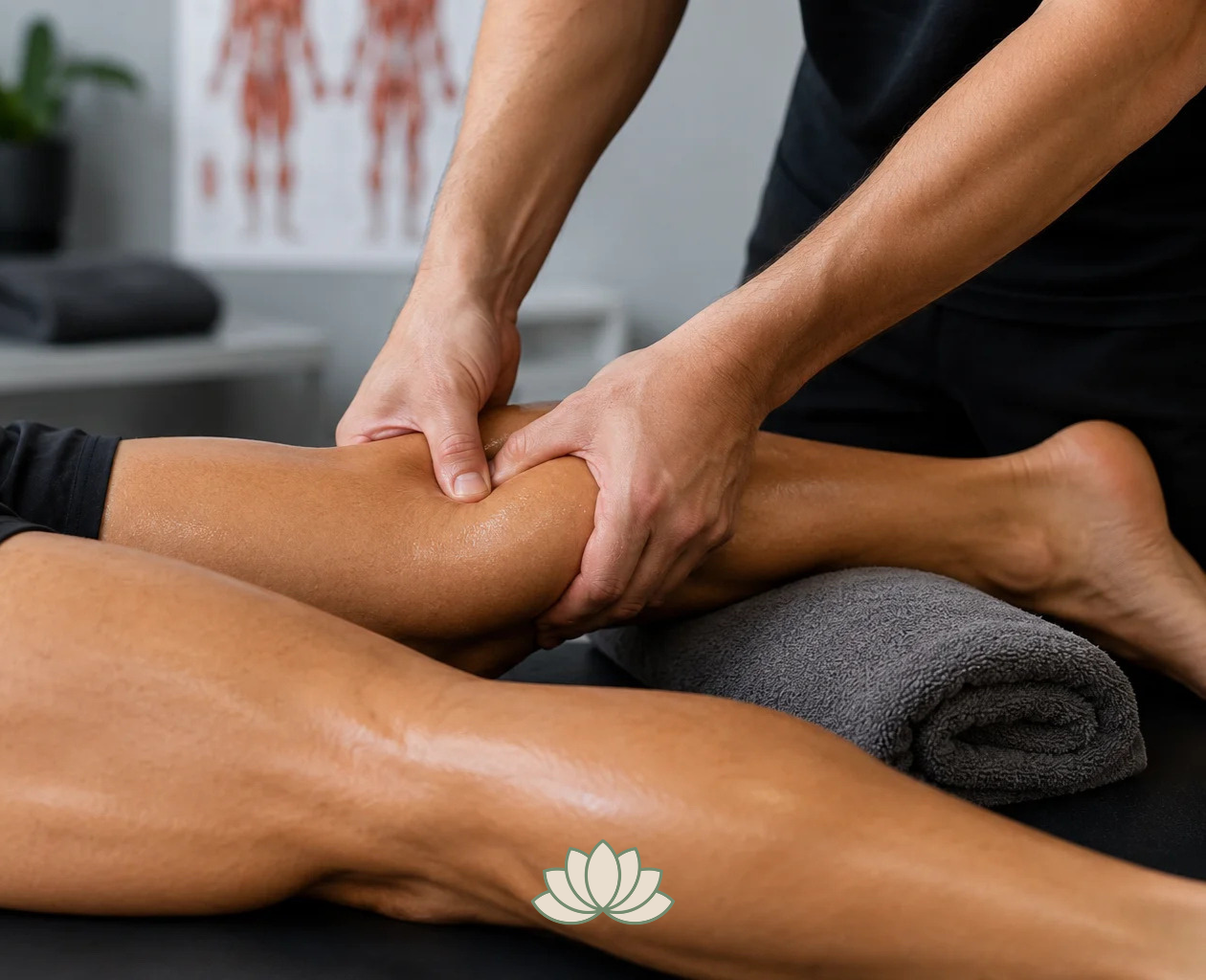
One of the biggest strengths of modern massage therapy is customization. A treatment plan for a runner with tight calves should not look the same as a plan for someone with chronic jaw clenching or postural neck pain. The therapist must consider the type of discomfort, how long it has been present, how the body responds to touch, and what the client wants to improve first.
This is why a consultation matters so much before hands-on work begins. A good provider will ask about medical history, daily activities, stress levels, previous injuries, and past therapy experiences. With that information, they can build a session that is both safe and effective. In many cases, combining chronic pain massage with complementary approaches such as mobility exercises or breathing work leads to more lasting results.
Pairing Bodywork with Other Healthy Habits
Massage therapy is often most effective when it fits into a larger wellness routine. Stretching, strengthening, hydration, sleep quality, and regular movement all influence how well the body responds to care. For some clients, it also makes sense to combine bodywork with chiropractic care, yoga, acupuncture, or physical therapy. This integrated approach is consistent with how many experts now think about pain management: treat the whole person, not just the painful area.
When bodywork is used this way, it becomes part of a long-term strategy rather than a one-time fix. Clients may notice that the first few sessions focus on relief, while later visits help maintain progress and prevent the same strain patterns from returning. That progression is often where the real value lies.
Real-World Examples of Mobility Gains
Chronic Low-Back Pain and Daily Function
Think about someone who has lived with chronic low-back pain for years. They may wake up stiff, struggle to sit through a workday, and avoid activities they once enjoyed. After a few well-targeted massage sessions, the pain may not disappear entirely, but movement can become less intimidating and more manageable. Even small gains, such as standing from a chair more easily or walking without bracing, can significantly improve quality of life.
This is where therapeutic services like clinical massage can make a difference. By addressing posture, nervous system regulation, and tissue restriction together, the therapy supports not only symptom relief but also practical mobility improvements that show up in everyday living.
Thoracic Outlet Symptoms and Upper-Body Ease
A case study involving a 24-year-old female with neurogenic thoracic outlet syndrome showed that massage techniques including myofascial release and trigger point therapy helped reduce symptoms such as pain, numbness, and muscle weakness while improving range of motion. This is a good example of how bodywork can support complex conditions that affect both comfort and function. You can review a related research article through ScienceDirect.
These examples matter because they reflect what many clients hope for: not perfection, but the ability to move more freely, sleep better, work more comfortably, and return to normal activities with less fear of pain.
Common Questions People Ask Before Starting Massage Therapy
Is Massage Therapy Safe for Everyone?
Massage therapy is generally safe, but it is not automatically appropriate for every person or every condition. People with blood clotting disorders, certain skin conditions, recent surgery, fractures, active infections, or other medical concerns should consult a healthcare provider before booking a session. A well-trained therapist will also screen for contraindications and adapt the session accordingly.
The safest path is honest communication. Let the therapist know about medications, recent injuries, pain history, pregnancy, or any symptoms that change with pressure or movement. This allows the session to be tailored in a way that supports healing rather than irritating.
How Many Sessions Are Usually Needed?
There is no universal answer because each body responds differently. Some people feel noticeable relief after one or two sessions, while others with chronic tension may need ongoing care to create lasting change. In general, the more long-standing and layered the issue, the more likely it is that a series of visits will be helpful.
A smart approach is to set a clear goal for the first few sessions. For example, the goal might be to reduce low-back stiffness, improve shoulder rotation, or decrease jaw clenching. After that, the plan can be adjusted based on how the body responds. This helps clients invest in care with realistic expectations.
Does Insurance Cover Massage Therapy?
Coverage varies widely by plan, diagnosis, and provider network. Some insurance policies cover massage when it is prescribed or billed in a specific way, while others do not. The best option is to contact the insurance company directly and ask what documentation is required, whether a referral is needed, and what services are eligible.
Even when insurance does not cover massage, many people find it worthwhile because of the functional benefits. When pain is reduced and movement improves, the return on that investment can show up in better sleep, less stress, and fewer missed activities.
How to Choose the Right Type of Bodywork for Your Needs
When You Need Focused Pain Relief
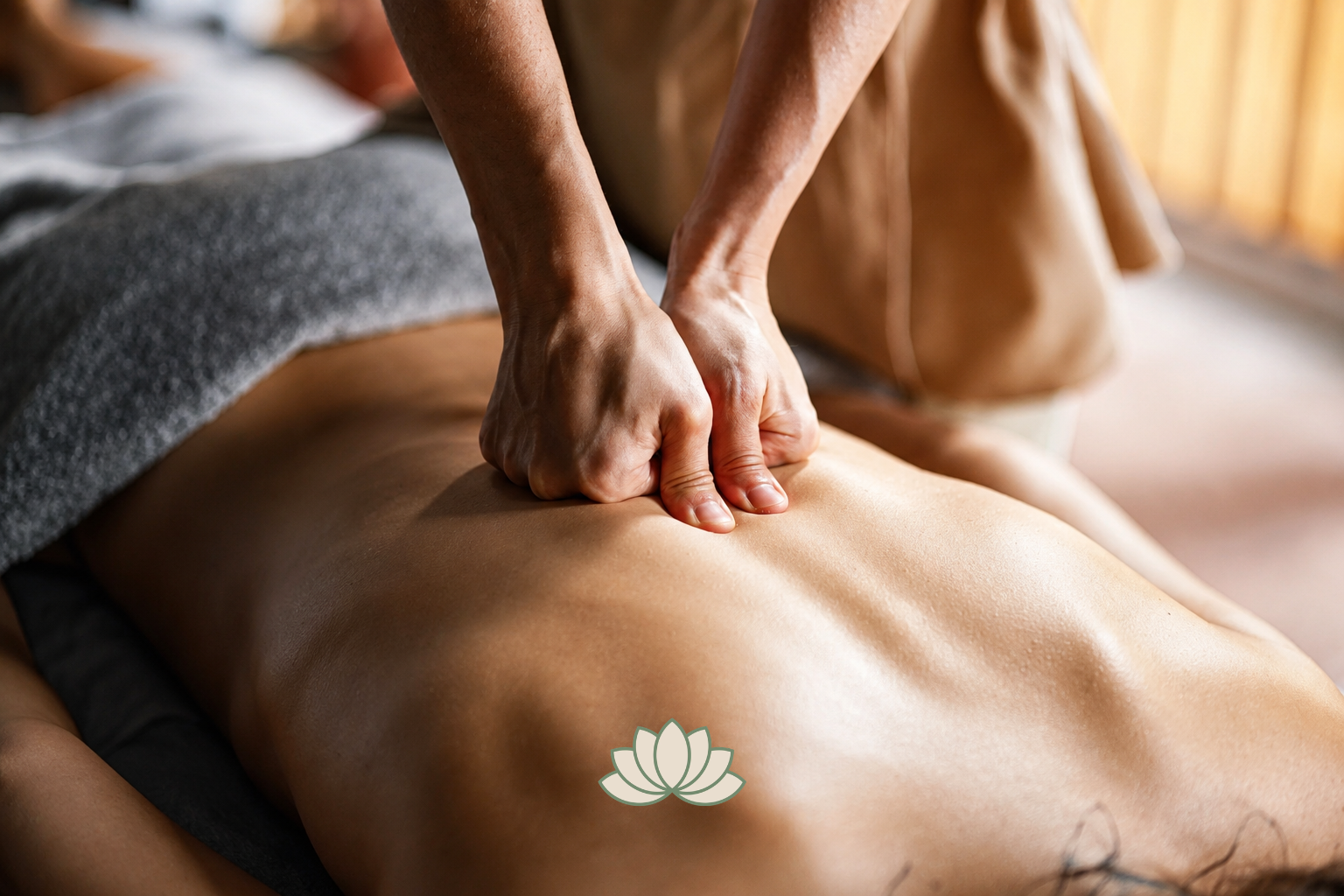
If your main goal is to reduce stubborn pain or address a specific movement limitation, a more therapeutic approach may be best. Deep tissue, trigger point work, and clinical massage are often appropriate when the goal is to release chronic tension and improve function. These methods can be especially useful for people who feel like they have “tried everything” and still have tight spots that keep returning.
Clients in need of concentrated care often benefit from services such as deep tissue massage or myofascial therapy, especially when the pain seems tied to posture, repeated strain, or tissue adhesions. The right pressure should challenge the tissue without overwhelming the nervous system.
When You Need Recovery and Regulation
If your symptoms are more connected to stress, fatigue, inflammation, or general overload, gentler work may be more appropriate. A calming session can help the body recover, even when there is not one specific injury to target. Many clients are surprised by how much better they move after the nervous system settles and the body stops guarding.
In those cases, a therapist may recommend relaxation-focused care or specialized work such as craniosacral therapy. The goal is not simply to “feel relaxed” during the appointment, but to create conditions that support better movement afterward.
Bodywork Therapy in Lombard and What Clients Can Expect
A Practical, Local Approach to Wellness
For people seeking massage therapy in Lombard, the most helpful clinics are the ones that combine technical skill with careful listening. Clients often arrive with a mix of concerns: low-back pain, tight shoulders, neck stiffness, jaw tension, or difficulty recovering from a demanding workweek. A thoughtful provider will look at how these patterns connect and create a plan that fits the client’s real life, not an idealized version of it.
At Free Movement Bodywork, that philosophy is reflected in a client-centered model that emphasizes mobility, pain reduction, and overall well-being. Services are designed to support people who want to move with greater ease and feel more connected to their bodies.
Local Examples of Integrated Care
In a community setting, bodywork often works best when it complements other wellness practices. Someone might pair massage with a stretching routine, a posture reset, or exercise from a physical therapist. Another person might use bodywork to support recovery after a demanding work season or a flare-up of chronic tension. The flexibility of massage makes it valuable for many different situations.
If you are looking for a local option, you can learn more about massage therapy in Lombard and explore approaches that fit your goals. In some cases, combining care with pelvic support massage or TMJ massage can address issues that are often overlooked but deeply affect comfort and mobility.
Practical Tips for Getting Better Results from Bodywork Therapy
Communicate Clearly Before and After Sessions
Clients get more from bodywork when they communicate openly about pressure preferences, symptom changes, and personal goals. Tell your therapist where movement feels restricted, what activities are hard, and what kind of improvement would matter most to you. After the session, notice what changes over the next 24 to 72 hours so the next appointment can be adjusted intelligently.
This feedback loop helps create a more effective plan over time. It also reduces the chances of guessing or overworking an area that needs a more nuanced approach.
Support the Work Between Appointments
The benefits of massage last longer when you support them with hydration, light movement, and better sleep habits. Even a few minutes of walking, mobility exercise, or diaphragmatic breathing can help reinforce the changes made on the table. When possible, avoid going straight from a session back into the same posture or repetitive task that created the problem in the first place.
That does not mean you need to overhaul your whole life. It simply means giving the body a chance to integrate the work. Small habits often make the biggest difference.
Why Bodywork Therapy Stays a Powerful Tool
Bodywork therapy improves mobility and reduces pain by addressing the body on multiple levels at once: tissue restriction, nervous system tension, movement habits, and stress load. That broad approach is one reason massage continues to gain traction in pain management and wellness care. When the right method is matched to the right person, the results can be both immediate and cumulative.
Research, clinical experience, and client outcomes all point in the same direction. Massage therapy can help people move more freely, manage discomfort more effectively, and regain confidence in everyday function. Whether the need is gentle regulation, focused release, or ongoing chronic pain support, a personalized plan can make the path forward feel more achievable. If you are ready to take the next step, explore the service that fits your goals, or contact Free Movement Bodywork to discuss a treatment plan that supports your mobility, comfort, and long-term well-being.