Not All Massage Is About Relaxation: What Makes Clinical Massage Different?
When you think of a massage, you might picture soft music, a calming room, and just feeling good for a while. That's not wrong, but it's just one side of the story. Massage can definitely be relaxing, but it can also be focused, goal-driven, and aimed at improving movement, reducing pain, and supporting everyday function. Clinical massage is where this more therapeutic side of bodywork shines, often being the go-to when tension is persistent rather than just passing.
If you're wondering whether massage is just a spa treat or something more practical, this guide will help you understand the difference. We’ll explore how clinical massage works, what sets it apart from relaxation-focused bodywork, and when it might be the better choice for chronic tightness, postural strain, jaw tension, and limited mobility. If you're considering clinical massage or comparing it with something gentler like relaxation massage, keep reading to find out what suits your body best.
Clinical massage isn't about forcing your body to "let go" quickly. It's about understanding patterns, pinpointing contributing factors, and using techniques that support meaningful change over time. This difference is crucial, especially for those dealing with repetitive stress, old injuries, or tension that keeps coming back no matter how many stretches you do. Here, massage becomes less of a luxury and more of a strategic wellness tool.
What Clinical Massage Actually Means
Therapeutic care with a purpose
Clinical massage is a hands-on treatment with specific physical goals. These might include better range of motion, less pain, improved posture, reduced muscle guarding, or improved nervous system regulation. Instead of treating the body as a collection of isolated sore spots, a clinical approach looks at how tissues, habits, stress, and movement patterns interact. This broader perspective is what makes the work effective.
A clinical session often starts with questions about symptoms, daily activities, injury history, and what seems to make the problem better or worse. This intake is valuable because pain is rarely caused by one simple issue. For example, tight shoulders might be linked to desk posture, jaw clenching, breathing patterns, or compensation from an old injury. According to the National Center for Complementary and Integrative Health, massage therapy might help with pain, anxiety, and quality of life for certain conditions, supporting the idea that bodywork can be more than just relaxing.
How it differs from spa-style massage
Relaxation massage aims to calm your body and mind, and that's a real benefit. The pace is usually slower, the pressure more general, and the goal is to soothe the nervous system and create a sense of ease. Clinical massage may still feel calming, but the focus is more targeted. The therapist works with a specific problem, so the session might include assessment, targeted tissue work, movement-based techniques, or strategies tailored to a particular body area.
This distinction is important because two people can have very different needs, even if both say, "My neck is tight." One might need stress relief and rest, while the other might need focused work on myofascial restrictions, jaw tension, and upper back compensation. A clinical session is designed to address those differences rather than using the same general approach every time.
Why People Seek Clinical Massage Instead of General Relaxation
Persistent pain and stubborn tension
Many people turn to clinical bodywork when usual self-care habits aren't enough. Stretching, heat, hydration, and time can help mild tension, but persistent discomfort often needs a more focused strategy. Chronic tightness might involve protective bracing, reduced circulation in overworked tissues, or movement compensation that keeps the problem going. Clinical massage helps address these patterns instead of just masking symptoms for a short time.
Folks with desk-related neck pain, low back discomfort, repetitive strain, or lingering soreness after activity often benefit from this approach. In those cases, the work might involve deeper attention to the tissues that are overworking, as well as the areas that are underperforming. For a related perspective on how tension can reveal important body patterns, you might also find our post on what muscle tightness is telling you helpful.
Movement restrictions and posture issues
Clinical massage is especially useful when tightness affects how you move. You might notice one shoulder sits higher than the other, hip flexors feel constantly shortened, or your neck feels locked after sitting for long periods. These patterns are not only uncomfortable; they can also affect how your body distributes effort. Over time, this can lead to more fatigue, less mobility, and a sense that your body is working harder than it should.
Targeted massage therapy can help improve tissue glide, reduce guarding, and create a better environment for movement. That doesn't mean the therapist "fixes" posture in one session, but it does mean the body can feel less restricted and more responsive to healthy movement habits. When combined with mindful activity, it often creates a more lasting sense of ease than relaxation-only care.
Stress that shows up physically
Stress doesn't always feel emotional. Sometimes it appears as jaw clenching, shallow breathing, headaches, digestive discomfort, shoulder elevation, or general body bracing. Clinical massage recognizes the deep connection between the nervous and musculoskeletal systems. When the body is stuck in a guarded state, it might not be enough to just "rest more." The tissues might need direct support to help shift out of that pattern.
This is why many people seek therapeutic care even when they're not in severe pain. They might just feel off, tight, or unable to fully relax into their own body. In these cases, specific modalities like craniosacral therapy or jaw tension and TMJ massage can be useful parts of a broader clinical plan.
How Clinical Massage Sessions Are Structured
Assessment comes first
A good clinical massage session usually begins with conversation. The therapist might ask where you feel symptoms, how long they've been present, and what movements or habits seem to aggravate them. This information matters because pain is often multifactorial. A sore area may be doing too much work, but it might also be compensating for weakness, immobility, or altered breathing mechanics elsewhere in the body.
Assessment also helps the therapist choose appropriate techniques and intensity. For example, a person with high sensitivity might do better with slower work and more gradual pressure. Another might respond well to focused myofascial approaches or deeper tissue techniques. The session should feel tailored rather than routine.
Hands-on work is individualized.
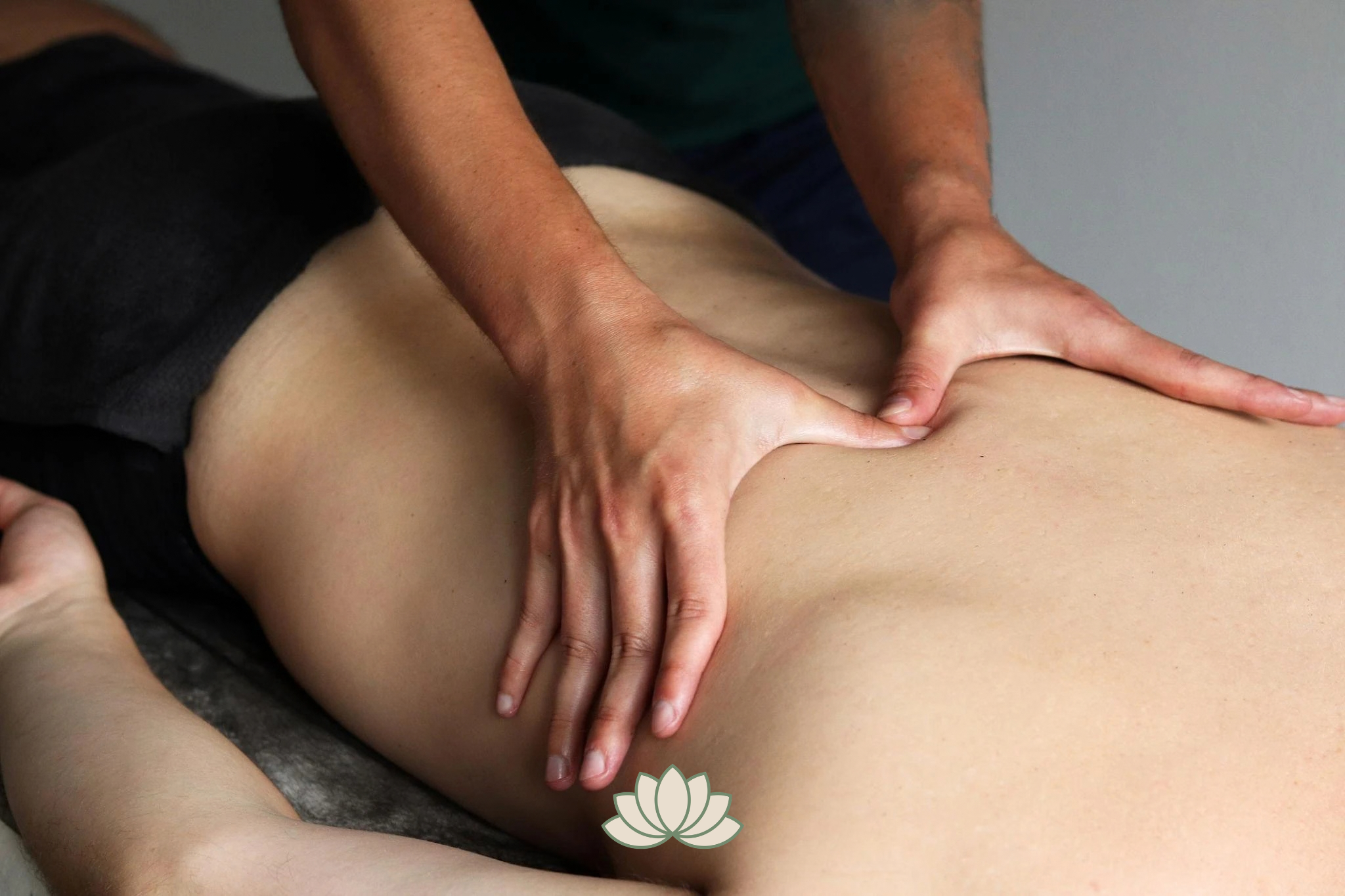
Clinical massage is rarely one-size-fits-all. Some sessions emphasize broad soft tissue work to reduce overall tension, while others focus on one area that's become chronically overactive. Techniques might include sustained pressure, stripping, friction, compression, stretching, or assisted movement. The goal isn't to "dig in" for the sake of intensity, but to create a useful change in the tissue and nervous system response.
At Free Movement Bodywork, this individualized approach can be paired with services like deep tissue massage, myofascial therapy, and chronic pain massage depending on what your body needs most. That flexibility is one of the key reasons clinical work feels different from a standard relaxation appointment.
Follow-up and home care matter
One of the most important parts of clinical massage happens after the session. Your therapist might suggest hydration, gentle movement, breathing awareness, stretches, or a return visit schedule based on your response. This is because the body often needs reinforcement between sessions. A single treatment can create change, but consistent support helps many people maintain progress.
Good clinical care also means honest communication. If a technique feels too intense or if a symptom pattern changes, the therapist should know. The work is most effective when it's a collaboration rather than a passive appointment. That collaborative model is also a reason why many people prefer therapeutic massage over generic bodywork.
Conditions and Patterns That May Benefit from Clinical Massage
Chronic neck, shoulder, and back tension
Desk work, commuting, caregiving, and repetitive labor can all contribute to chronic tension patterns. Over time, muscles that are asked to stabilize too often can become tight, irritated, or fatigued. Clinical massage may help by reducing guarding, improving tissue mobility, and supporting healthier movement strategies. For people who feel like tension “always comes back,” that deeper approach can be a game changer.
Tension often travels. A shoulder problem can affect the neck. A low back issue can influence the hips and even the feet. Clinical massage is helpful because it looks at relationships instead of focusing on one isolated knot. That broader perspective can reveal why the body has been holding onto discomfort for so long.
Jaw tension, headaches, and facial strain
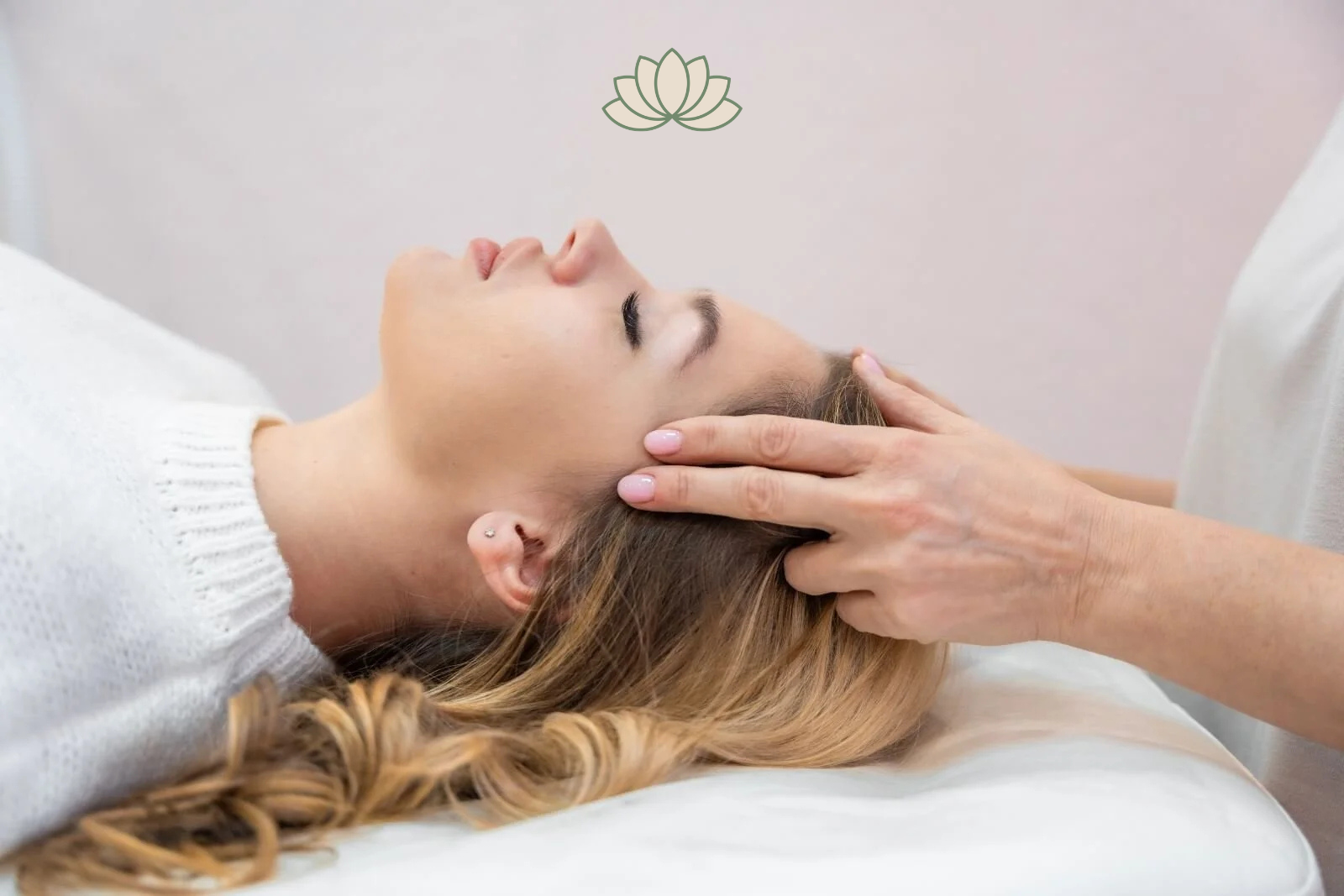
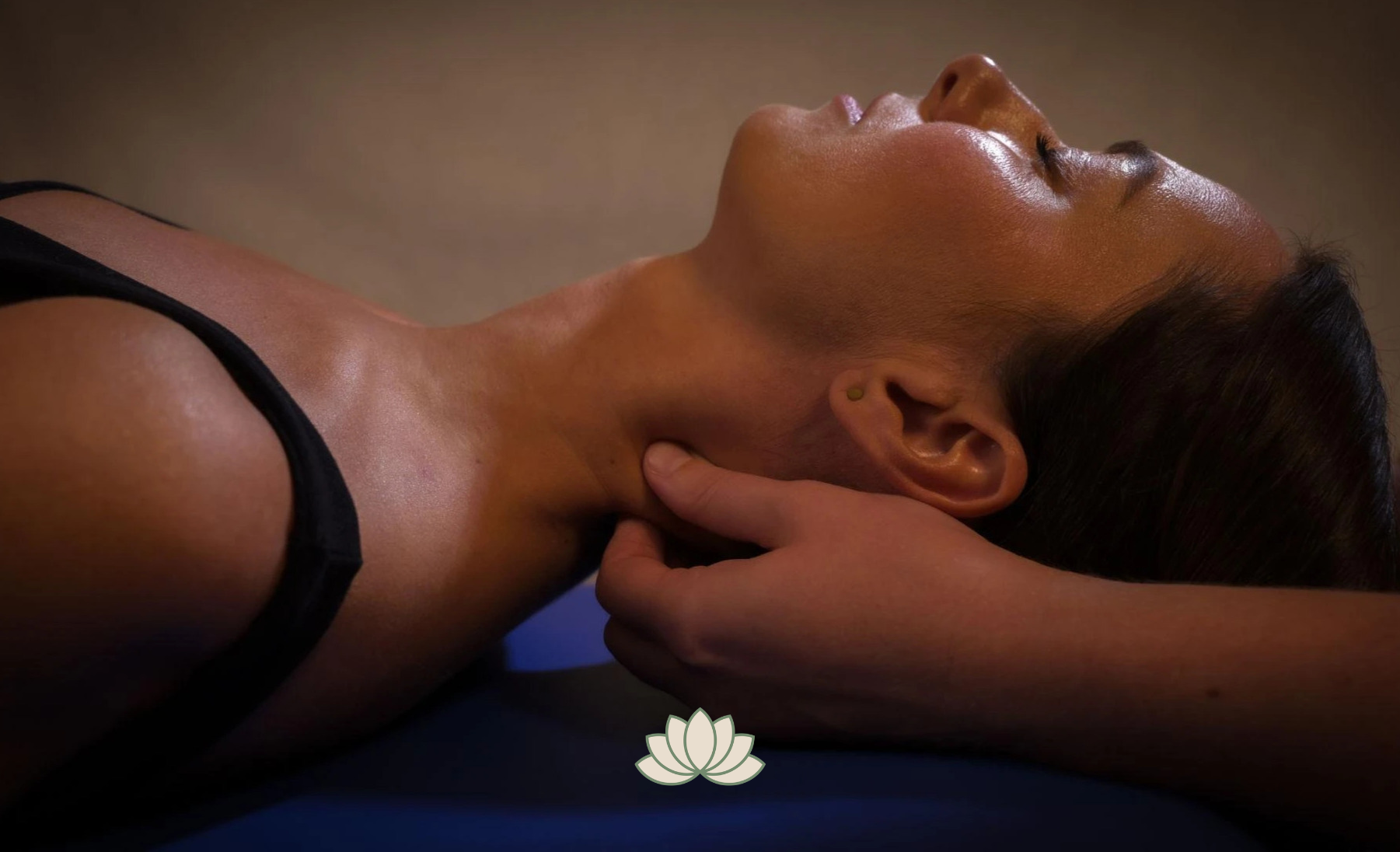
Jaw clenching and TMJ-related discomfort are common examples of issues that benefit from more targeted work. Because the jaw, neck, temples, and upper back influence one another, addressing only the painful area might not be enough. Clinical massage may include soft tissue work to the face, neck, scalp, and surrounding structures in a way that supports easier movement and less strain.
If this sounds familiar, our specialized jaw tension and TMJ massage service might be a helpful option. A clinical perspective is especially important here because jaw tension is often connected to stress, posture, sleep habits, and clenching patterns that need more than relaxation alone.
Breathing, digestion, and abdominal tension
Some people carry tension in the abdomen, ribcage, or diaphragm without realizing how much it affects comfort and movement. Guarded breathing can contribute to more neck tension, less core expansion, and a general sense of stiffness. In these cases, bodywork might include approaches that support soft tissue mobility and nervous system downshifting. If you're interested in how core tension influences overall function, our article on abdominal massage insights offers a deeper look.
Depending on the person, abdominal massage or pelvic support massage might also be included in a broader treatment plan. These methods aren't about treating isolated discomfort in a vacuum; they're about supporting the tissues and systems that influence how the whole body feels and functions.
The Science and Logic Behind Clinical Massage
Why pressure and touch can change symptoms
Touch affects more than just muscle tissue. It also interacts with the nervous system, which helps determine how much tension the body maintains. When the nervous system perceives safety, muscles can often soften more easily. That's one reason clinical massage can help with pain that seems out of proportion to a simple structural issue. It addresses the protective response, not just the symptom.
Research on massage continues to grow, and major health organizations recognize its potential role in symptom management. The Johns Hopkins Medicine resource, for instance, discusses massage as a tool that might help with pain, stress, and rehabilitation. While massage isn't a cure-all, it can be a meaningful part of a larger wellness plan when used thoughtfully.
Fascia, glide, and movement efficiency
Another reason clinical massage can be effective is that it helps address restrictions in fascia and surrounding connective tissue. Fascia is part of the body’s structural network, and when it becomes less mobile, movement can feel sticky or uneven. That stickiness might not always be obvious at rest, but it can show up when reaching, bending, walking, or turning. Clinical bodywork helps encourage better tissue glide so movement feels more coordinated.
This is one of the reasons some people notice improved ease after myofascial work even if their pain didn't seem severe before the session. Better tissue mobility can reduce compensations that were quietly building stress in other parts of the body. Over time, that can support more efficient movement patterns and less recurring tension.
Clinical massage and nervous system regulation
Many clients describe feeling “lighter,” “clearer,” or “more settled” after a session, and those words often reflect a real nervous system shift. When pain decreases and the body senses more support, the entire system can feel less reactive. That's why clinical massage can be both physically and emotionally useful, even if the primary goal is pain relief. The body and mind are not separate in this process.
That said, the best results usually come from matching the technique to the person. Some people need gentle, slow work. Others need more direct pressure to help the tissue change. A skilled therapist knows how to balance those needs without overwhelming the system.
How to Know Which Type of Massage You Need
Ask what outcome you want
The simplest way to choose between relaxation and clinical massage is to ask what you want to change. If your main goal is to rest, decompress, and enjoy a calming experience, a relaxation session might be ideal. If you want to reduce pain, improve movement, or address a recurring issue, clinical massage is probably the better fit. The question isn't which type is better overall, but which one serves your current need.
Many people actually benefit from both. For example, someone might start with clinical work to address a specific pain pattern and then use relaxation sessions for maintenance and stress reduction. The important thing is to be intentional. When you choose based on outcome, your care becomes more effective.
Pay attention to how your body responds
Your response after a session can tell you a lot. Some people feel immediate relief and better mobility. Others feel soreness first, then improvement over the next day or two. A skilled therapist should explain what to expect and help you understand whether your response is normal. Good clinical care isn't about pushing through pain blindly; it's about using feedback to guide the work.
If you have a pattern of feeling better for only a day or two before symptoms return, that might be a sign that your body needs more targeted support. In those situations, exploring services like lymphatic drainage massage or acupressure massage might also be worth discussing with your therapist, depending on your goals.
Know when to combine massage with medical care
Massage can be an excellent complement to healthcare, but it isn't a substitute for medical evaluation when symptoms are severe, sudden, or unexplained. Numbness, sharp pain, major swelling, weakness, fever, or pain after injury should be assessed by a qualified medical professional. The best clinical massage practice respects those boundaries and knows when to refer out.
That kind of caution is a strength, not a limitation. It helps ensure you get the right care for the right issue. When therapeutic bodywork and medical guidance work together, clients often experience a more complete path toward recovery and comfort.
What to Expect at Free Movement Bodywork
Personalized care built around your goals
At Free Movement Bodywork, clinical massage is designed to support real-life improvement, not just temporary relief. That means the session is shaped by what your body is doing now and what you want it to do better. Whether the goal is to move more easily, calm down chronic tension, or recover from overuse, the treatment plan is tailored rather than generic.
Our approach combines clinical expertise with compassionate care so you can feel understood as well as supported. We also offer related services such as clinical massage, deep tissue massage, and craniosacral therapy to meet a variety of needs in a thoughtful way.
Why local, attentive care matters
People often search for massage therapy in Lombard, IL because they want help that feels close, consistent, and personal. That matters because bodywork tends to work best when the therapist understands your patterns over time. Consistency makes it easier to notice what is changing, what is staying the same, and what may need a different approach.
For clients in the area, local care also makes follow-up easier. If you're trying to address chronic issues, having a trusted place to return to can simplify your wellness routine. Our goal is to make therapeutic care practical, approachable, and effective.
Frequently Asked Questions About Clinical Massage
Is clinical massage painful?
It shouldn't be intolerable or overwhelming. Some techniques might feel intense, especially when working on guarded or restricted tissues, but good clinical massage is guided by communication and feedback. The right amount of pressure depends on the person, the condition, and the treatment goal.
How many sessions will I need?
That depends on the issue, how long it's been present, and how your body responds. Some people feel meaningful change after one session, while others need a series of treatments to create longer-lasting improvement. A therapist can help you build a plan based on progress rather than guesswork.
Can clinical massage still be relaxing?
Yes. In fact, many people feel deeply relaxed during and after clinical work. The difference is that relaxation isn't the only goal. The treatment is also designed to improve function, reduce symptoms, or support recovery, which makes it more targeted than a standard spa session.
What if I don't know which service to book?
That's normal. Many people are unsure whether they need relaxation-focused work, chronic pain support, or something more specific. If you're not sure, start by describing your symptoms and goals. From there, a therapist can help guide you toward the right modality, whether that's chronic pain massage, myofascial therapy, or another option.
Choose the Right Kind of Massage for the Result You Want
Not all massage is about relaxation, and that's good news for those dealing with more than everyday stress. Clinical massage offers a focused, intelligent, and personalized way to address pain, mobility limits, postural tension, and nervous system overload. It's the difference between feeling temporarily soothed and working toward a body that functions more comfortably over time.
If you're ready to explore therapeutic bodywork that fits your goals, Free Movement Bodywork is here to help. Whether you need support for chronic tension, jaw discomfort, movement restrictions, or a calmer nervous system, we invite you to schedule a session and experience the difference between general relaxation and truly clinical care. To learn more or book your visit, explore our services and contact us today through Free Movement Bodywork.