Feeling like your legs are heavy and tired might just mean you need a nap, a break, or more water. Sometimes that's all it takes. But if this feeling keeps coming back, sticks around after normal activity, or comes with tightness, swelling, aching, or stiffness, your muscles could be trying to tell you something more important. Knowing the difference can help you choose your next step, rather than waiting for the discomfort to just go away.
At Free Movement Bodywork, we meet many folks who think their legs are just overworked. Often, they find that chronic tension, tight tissues, nervous system stress, or circulation issues are adding to the problem. Want to learn more about how clinical massage and deep tissue massage can help with persistent muscle issues? This article will explain what heavy legs might mean, when rest is enough, and when you might need more focused care.
What Heavy, Tired Legs Often Mean
Muscle fatigue versus muscle dysfunction
Muscle fatigue is that temporary tiredness you feel after a tough workout or a long day on your feet. Usually, a good night's sleep, some water, and a bit of time do the trick. Muscle dysfunction, though, feels different. Your legs might feel heavy, like you're dragging, or like it takes extra effort to move, even if you haven't done anything tough.
If your muscles stay tense too long, they can lose their ability to stretch and recover. This can make your legs feel like they're weighed down. Over time, this affects your posture, how you walk, and how your lower body works together. Remember, your legs are part of a bigger system, not just working in isolation.
Common sensations people describe
People use words like achy, tight, stiff, puffy, weak, and fatigued to describe heavy legs. Some feel it in their calves, others in their thighs, hips, or behind the knees. Sometimes, legs don’t hurt; they just feel sluggish.
These descriptions help pinpoint the cause. A heavy feeling after sitting for hours might suggest poor circulation and tight hip flexors. A dragging sensation after a stressful week might mean your nervous system is overworked. It's not about diagnosing every detail, but noticing patterns that matter.
Why Rest Alone Does Not Always Fix the Problem
Protective muscle tension can linger.
When the body feels stressed, it braces itself. This can help short-term, but if it becomes a habit, the muscles of your legs, hips, and lower back might stay tense. This tension doesn't just disappear after you sit down for the evening.
That's why some folks wake up feeling tired. Their muscles didn’t fully recover from the previous day, and their nervous system stayed on alert overnight. In such cases, treatments like relaxation massage or craniosacral therapy might help shift the body back to a calm state.
Movement quality matters as much as movement quantity
Heavy legs can appear when your movement is not as efficient as it should be. Tight hips, inactive glutes, or compensating calves might make your legs work harder than necessary. You could rest all weekend and still feel tired on Monday if the way you move never changes.
That’s why bodywork focuses not just on symptoms, but also on the tissues that affect movement. For some, myofascial therapy can help relieve tension in the lower body. For others, targeted work on the pelvis, abdomen, or jaw can improve overall balance.
Common Causes of Heavy Legs
Sitting, standing, and repetitive strain
Sitting too long can slow circulation and leave your hips and hamstrings tight. Standing for long periods can cause a different problem, keeping your calves and feet under pressure. In both cases, your legs might feel tired before the day ends.
Repetitive activities can add stress. Runners, warehouse workers, nurses, teachers, parents carrying kids, and commuters often accumulate stress in predictable places. According to the National Heart, Lung, and Blood Institute, regular movement is key for circulation and health, but it might not fix chronic tightness once it's set in.
Circulation and fluid movement
Sometimes heavy legs relate to how fluid moves through tissues. You might notice puffiness around your ankles or a feeling of fullness by day’s end. This doesn't always signal a serious issue, but it might mean lymphatic or vascular support is needed.
Bodywork can be helpful when tissue congestion and inflammation play a role. A focused technique like lymphatic drainage massage could encourage better fluid movement, especially if heaviness comes with swelling. But if symptoms are severe or sudden, medical evaluation is important.
Stress, sleep, and nervous system load
The nervous system greatly affects muscle tone. Stress, poor sleep, or emotional overload can make the body default to a tense posture, showing up as tension in the hips, calves, and back. This can make your legs feel heavy even when you haven't done much.
Whole-body care matters here. Stress isn't just in your mind; it often shows in your body as tension. If your symptoms relate more to tension than exertion, bodywork that aids regulation may help you feel better. Combining structural and calming techniques may work best.
When Heavy Legs Signal Something More Than Soreness
Red flags to pay attention to
Most heavy, tired legs are due to overuse, tension, or posture issues. But some symptoms need medical attention. Sudden swelling in one leg, redness, warmth, significant calf pain, shortness of breath, numbness, chest pain, or unusual weakness shouldn’t be ignored. These might indicate urgent concerns needing evaluation.
The Mayo Clinic advises that leg swelling can have many causes, from standing too long to more serious vascular issues. It's important not to assume every symptom is fatigue. Always seek medical advice if unsure.
Patterns that warrant a closer look
If your legs feel heavy daily, or if it keeps returning despite rest, it might be mechanical rather than temporary. Muscles, fascia, and posture could be overloading your lower body. In these cases, a detailed assessment is more effective than generic stretching.
Those dealing with constant discomfort often benefit from chronic pain massage, which tackles stubborn tension not resolved by rest. Depending on the strain's source, therapists might also focus on the feet, calves, hips, or jaw since tension in one area can affect the whole body.
How Massage Therapy Can Help Heavy, Tired Legs
Improving tissue mobility
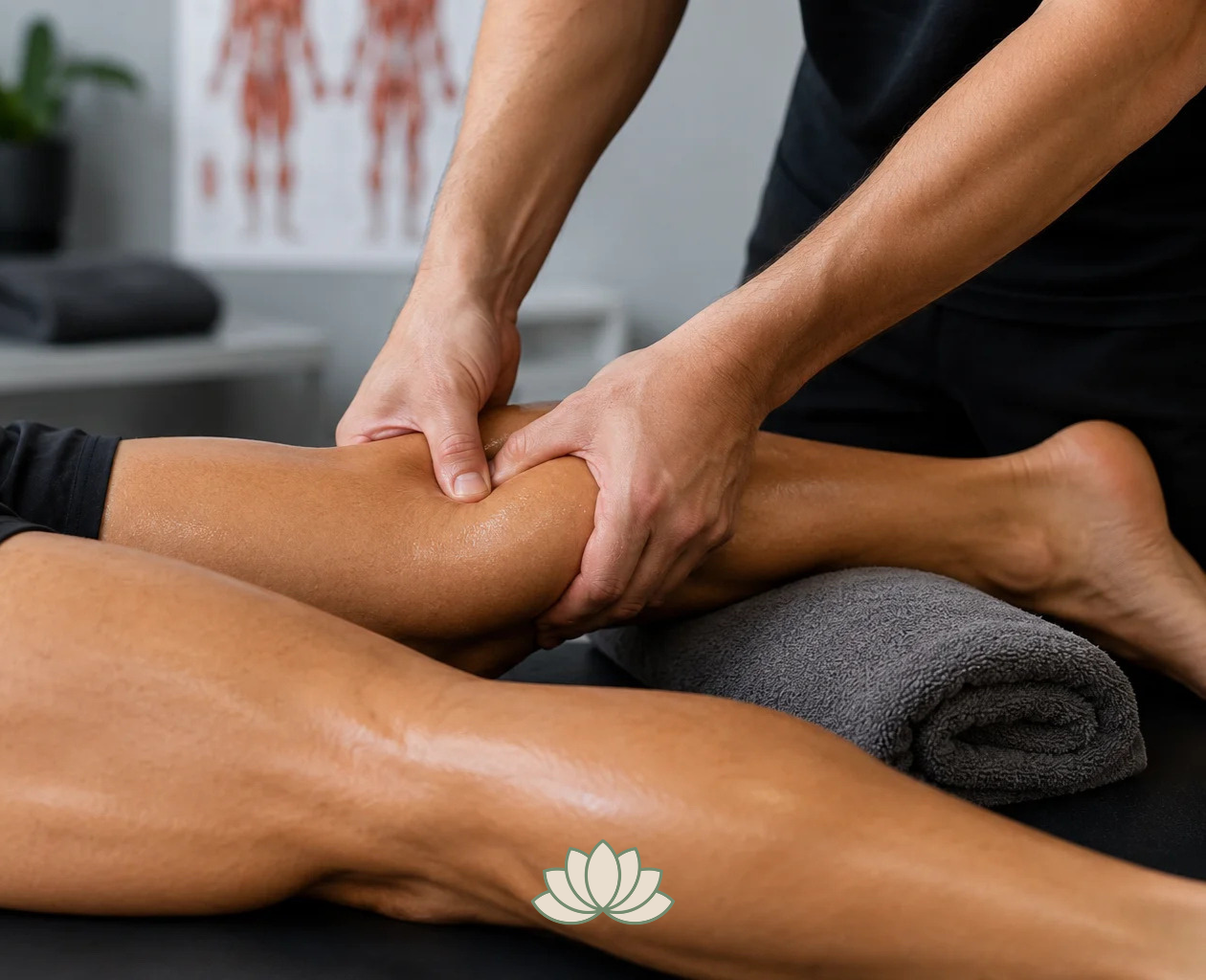
Massage therapy can lighten the feeling of heaviness by helping tissues move more freely. When muscles and fascia aren't restricted, legs often feel lighter and easier to use. While massage isn't a quick fix, it can be a big part of recovery.
People limited by tight calves, hamstrings, or hip flexors often benefit from hands-on work and movement education. Our pelvic support massage can be especially useful when lower-body heaviness links to hip tension, low-back strain, or poor pelvic mechanics. This helps your body move with less effort.
Supporting the nervous system
Not every tired-leg issue is purely physical. Sometimes the body needs help getting out of a stress response. Slow, intentional bodywork can reduce overall tension, deepen breathing, and make your legs relax.
Relaxed muscles often release more fully than stretching alone can achieve. Gentle techniques can complement deeper work, helping the system accept change. For those seeking calmness and looseness, this combination might be the best long-term solution.
Addressing the entire chain, not just the symptom
Heavy legs might start elsewhere. Tight jaw muscles, restricted breathing, or abdominal tension can affect posture and the lower body. That's why a whole-person assessment is important. Often, legs do the work of several areas not sharing the load properly.
Jaw tension and TMJ massage can help those whose stress affects the whole body, while abdominal massage helps when core tension limits comfortable posture. Even if these areas seem unrelated to the legs, they influence how the whole body stabilizes and recovers.
What to Do at Home Before Your Appointment
Try simple movement breaks
If your legs feel heavy after sitting or standing, try small movement breaks. Stand every 30 to 60 minutes, walk for a bit, and flex and point your feet to boost circulation. These changes are simple but can interrupt the pattern of stagnation making legs feel extra tired.
Try calf raises, short walks after meals, and light hip mobility work. The goal isn't intense exercise but consistent variation. Even a few minutes of movement can help tissues rehydrate and remind the nervous system it doesn't need to stay locked in one posture.
Check hydration, sleep, and recovery habits.
Dehydration, poor sleep, and low recovery can make muscles irritable and heavy. If you’re not sleeping enough, eating regularly, or drinking enough, your legs might suffer. Heavy legs might also get worse on stressful days or after salty meals.
The Centers for Disease Control and Prevention says regular activity supports health, but recovery habits are just as important. Sleep, hydration, nutrition, and stress management should be part of the picture.
Use gentle self-care, not aggressive stretching
When legs feel heavy, many stretch harder. That's not always the answer. If muscles are overprotective, aggressive stretching can irritate them more. Gentle range-of-motion work, heat, walking, and self-massage are often better starting points.
If symptoms briefly improve and then return, it might mean your body needs more targeted care. Often, the issue isn't that your legs are weak; it's that they're compensating for something else. A skilled therapist can help identify those patterns and choose the right technique for you.
What a Personalized Massage Session Can Look Like
Assessment comes first
A thoughtful session starts with questions about when the heaviness began, what helps or worsens it, and if it links to posture, activity, stress, or swelling. This conversation helps match treatment to your experience, not just a generic approach. Good care isn't one-size-fits-all.
Depending on what you share, the session may focus on calves, quads, glutes, hips, feet, back, or abdomen. Therapists may also check how you breathe and hold your jaw, as these patterns affect your whole body. This results in more precise treatment and often longer-lasting relief.
Combining techniques for better results
Some need more pressure to address tightness, while others respond better to slow, sustained work. A session might mix clinical assessment with deeper tissue work, gentle fascial release, or supportive techniques that encourage relaxation. The goal is to help the body change without being overwhelming.
To improve movement and reduce recurring lower-body fatigue, clinical massage and myofascial therapy often work well together. This layered approach helps tissues release while improving mechanics to prevent symptoms from returning.
Heavy Legs FAQs
Is it normal for my legs to feel heavy after work?
Yes, it can be normal if you spend the day standing, walking, lifting, or sitting in one position. But if it happens frequently, feels intense, or doesn’t improve with rest, it’s worth noting. Repeated heaviness can suggest your muscles, circulation, or posture need support.
Can massage help even if I do not have pain?
Absolutely. Many seek bodywork because they feel sluggish, not necessarily in pain. Massage can improve tissue mobility, support circulation, and reduce the tension that makes movement harder than it should be.
Should I worry about swelling with heavy legs?
Mild, occasional swelling after a long day might not be unusual, but sudden or persistent swelling should be checked. If swelling is one-sided, painful, warm, or paired with shortness of breath, get medical care quickly. When symptoms are less urgent but keep coming back, massage and movement support can help after ruling out medical concerns.
When to Seek Professional Support
If self-care keeps helping only temporarily
If you keep feeling better for a day or two and then the heaviness returns, that’s a sign the problem isn’t fully addressed. Temporary relief is helpful, but it's not the same as solving the underlying issue. A more customized plan can make a difference.
Professional bodywork can help identify whether the issue is muscular, fascial, circulatory, stress-related, or a mix. Once the pattern is clear, treatment can be more effective and meaningful. You might also learn practical changes to prevent the problem from returning.
If the symptom keeps changing shape
Some start with tired legs, then notice hip tightness, low-back discomfort, or even neck and jaw tension. This shifting pattern often means your body is compensating in multiple places. Rather than chasing symptoms one by one, it’s more effective to look at the system as a whole.
That broader view is central to our work at Free Movement Bodywork. We aim to help you move with less strain and more awareness, using the right combination of techniques. Ready to move beyond temporary rest and explore what’s really going on with your heavy, tired legs? Consider scheduling a personalized session to learn more.
Conclusion: Listen to What Your Legs Are Telling You
Heavy, tired legs aren't always a sign that you need more rest. Sometimes they signal chronic tension, inefficient movement, stress, fluid retention, or compensation elsewhere in the body. If the feeling keeps returning, rest alone might not solve it.
The good news is there are practical ways to tackle the problem. Small daily movement changes, better recovery habits, and targeted bodywork can help you feel lighter and more mobile. If you want support from a team that understands both the mechanics and the experience of persistent tension, explore our chronic pain massage, lymphatic drainage massage, and other therapeutic services to find what's right for you.
Ready to stop guessing and start feeling better? Visit Free Movement Bodywork to learn more, or contact us at (630) 384-9128 to discuss the best next step for your legs, your movement, and your overall wellness.