Bodywork Therapy Tips for Relaxation and Recovery
Getting bodywork therapy is more than just a time to unwind. When done thoughtfully, it can help your nervous system, relieve stubborn tension, and aid in recovery from stress, repetitive motions, or injury. If you're looking for massage therapy in Lombard, IL, your goal might be more than just feeling good temporarily; you want lasting improvements in how your body handles everyday pressures.
Massage therapy is evolving. More and more, clients are seeking personalized treatment plans, and therapists are tailoring their approaches. They combine techniques like deep tissue massage, myofascial release, and trauma-informed care. Whether you’re exploring clinical massage or something gentler like relaxation massage, understanding targeted bodywork can help you pick the right session for you.
Let's dive into the latest trends, research insights, and practical benefits of targeted bodywork therapy. You’ll learn about the different methods, when to schedule your sessions, and what to expect from a personalized experience.
What Targeted Bodywork Therapy Actually Does
Focuses on the right spots
Unlike generic approaches, targeted bodywork zeroes in on the muscles and tissues causing your discomfort. A therapist will check your posture and movement to decide which techniques will work best. This makes the treatment more effective for issues like neck tightness, low back pain, or shoulder strain.
This approach is specific. When the real source of tension is addressed, your body can relax more fully. That's why many find that sessions focused on deep tissue massage or myofascial therapy help them move better than a general relaxation session would.
Helps your nervous system, too
Recovery isn't just about easing tight muscles; it’s also about calming an overactive nervous system. Long-term stress can cause your body to hold onto tension. Gentle, steady touch can make your body feel safe enough to relax.
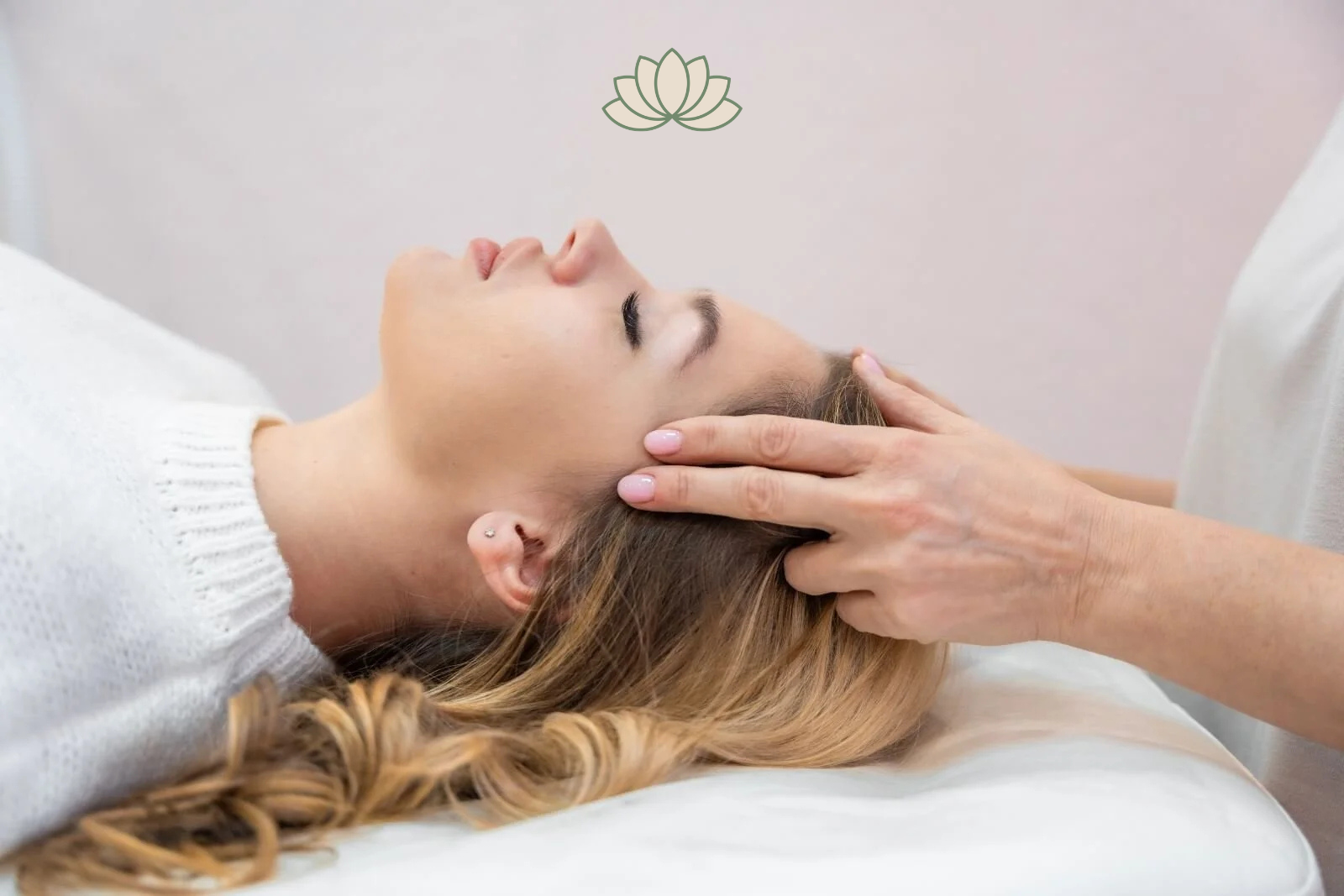
That's why nervous-system-aware care is trending. Approaches like craniosacral therapy are popular because they help you relax without forcing it. For many, this makes the experience more sustainable and restorative.
Why Personalized Treatment Matters
Different issues need different approaches.
Whether it’s chronic back pain, jaw tension, or sports soreness, each requires a unique strategy. Someone with tight hip flexors from sitting might need a different treatment than an athlete recovering from a strain.
For instance, one person might benefit from chronic pain massage to address widespread discomfort, while someone else might need jaw tension and TMJ massage to ease clenching and headaches. This flexibility makes bodywork a vital part of overall wellness.
Good assessments lead to better results.
Therapists are increasingly using assessment-driven methods in their work. This involves orthopedic reasoning and trauma-informed frameworks, which help understand pain patterns better. For more on these trends, check out AIM Online.
Assessment-driven care helps you avoid the frustration of temporary relief. When therapists understand how your body compensates, they can recommend techniques and home care that support long-term progress.
Key Techniques for Relaxation and Recovery
Deep tissue massage and myofascial release
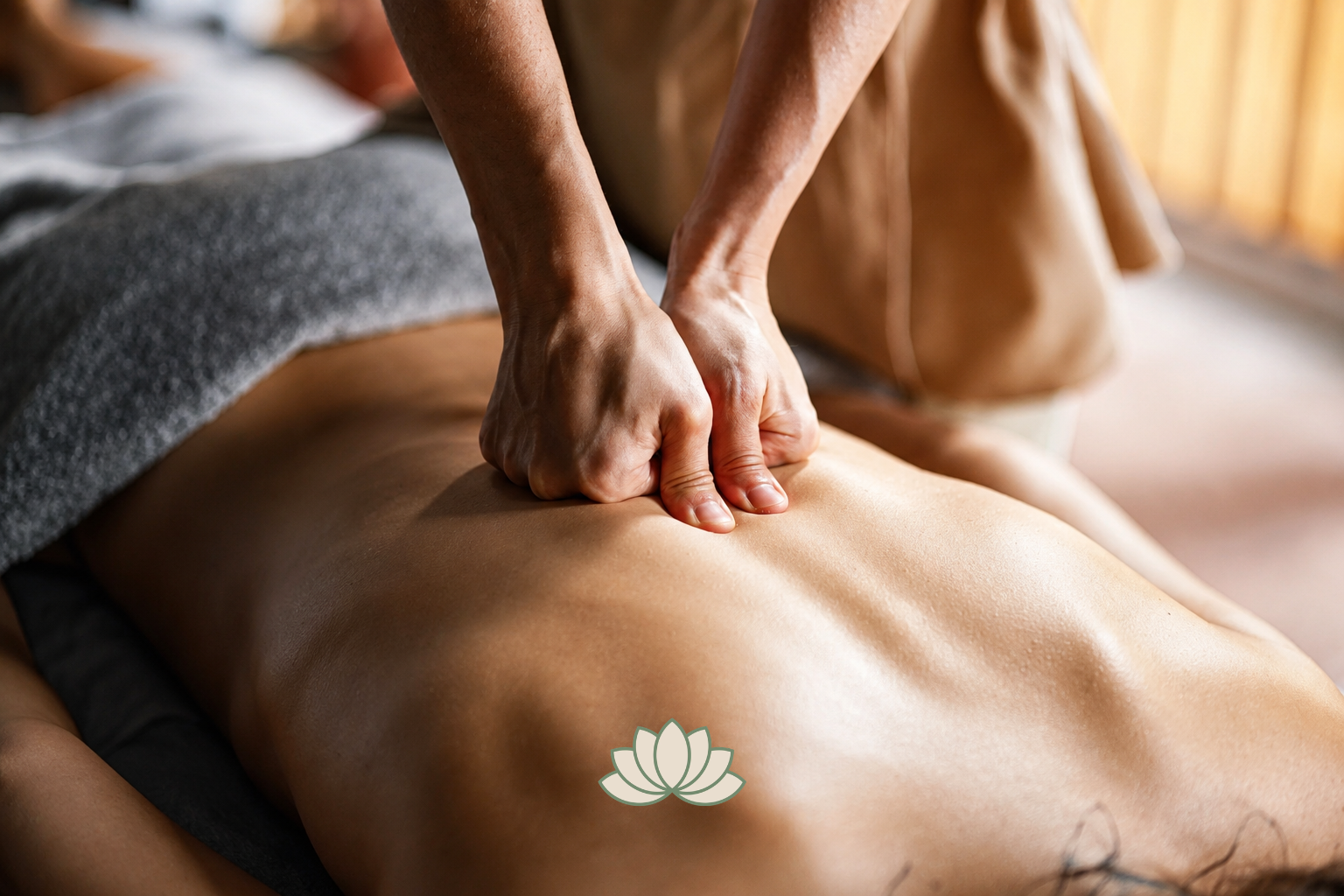
Deep tissue massage targets deep muscle tension with slower pressure, useful for back and shoulder tightness. Myofascial release focuses on connective tissue to restore movement. If tight fascia is an issue, myofascial therapy can help.
Sports massage and recovery care
Sports massage isn’t just for athletes; it benefits anyone who moves a lot. It helps with warm-ups, reduces soreness, and maintains mobility. Recovery-focused sessions can also help after intense activity or demanding jobs.
Gentle techniques for balance
Some people respond best to lighter touch methods like craniosacral therapy, acupressure, and lymphatic drainage massage. These techniques help with circulation and promote relaxation without using heavy pressure.
For those dealing with swelling or stress, lymphatic drainage massage can be beneficial. Similarly, acupressure massage offers a lighter touch that can be grounding and restorative.
The Research Behind Relaxation and Mind-Body Recovery
Mind-body practices are gaining ground.
A 2024 study in Scientific Reports found more people are using practices like meditation and yoga to manage stress. For details, check Nature. This shift shows a growing interest in stress management as a way to recover physically.
Massage therapy can complement these practices by calming the nervous system while addressing physical tension.
Reducing stress helps physically.
High stress leads to muscle tension and shallow breathing, contributing to headaches and fatigue. Bodywork therapy offers a structured way to break that cycle and support healthier regulation.
The results are not just in how relaxed you feel but also in better sleep and easier movement. Massage therapy is best seen as part of a whole-person approach.
Trauma-Informed and Orthopedic-Informed Care in Modern Massage
Safety and clear communication are key.
Trauma-informed care has become important because many clients have stress or injury histories. The therapist focuses on consent and clear communication to make you feel safe.
This is especially useful for areas that may feel vulnerable, like the abdomen or hips. Services like abdominal massage can be hugely beneficial when done with care and transparency.
Orthopedic thinking links pain to movement.
Orthopedic-informed manual therapy looks at how movement affects discomfort. If pain recurs in the same area, the issue might be with mechanics or strain rather than a single muscle. This approach helps with better movement over time.
How Targeted Bodywork Fits Into a Real Recovery Plan
Consistency is key
Targeted bodywork works best as part of a plan, not a one-off solution. Someone with acute strain might need weekly sessions initially, while maintenance may be fine every few weeks.
If you're unsure where to start, book a session and discuss your goals. Your therapist can advise you on whether you need a deep tissue massage or a more relaxing session.
Home care keeps benefits lasting.
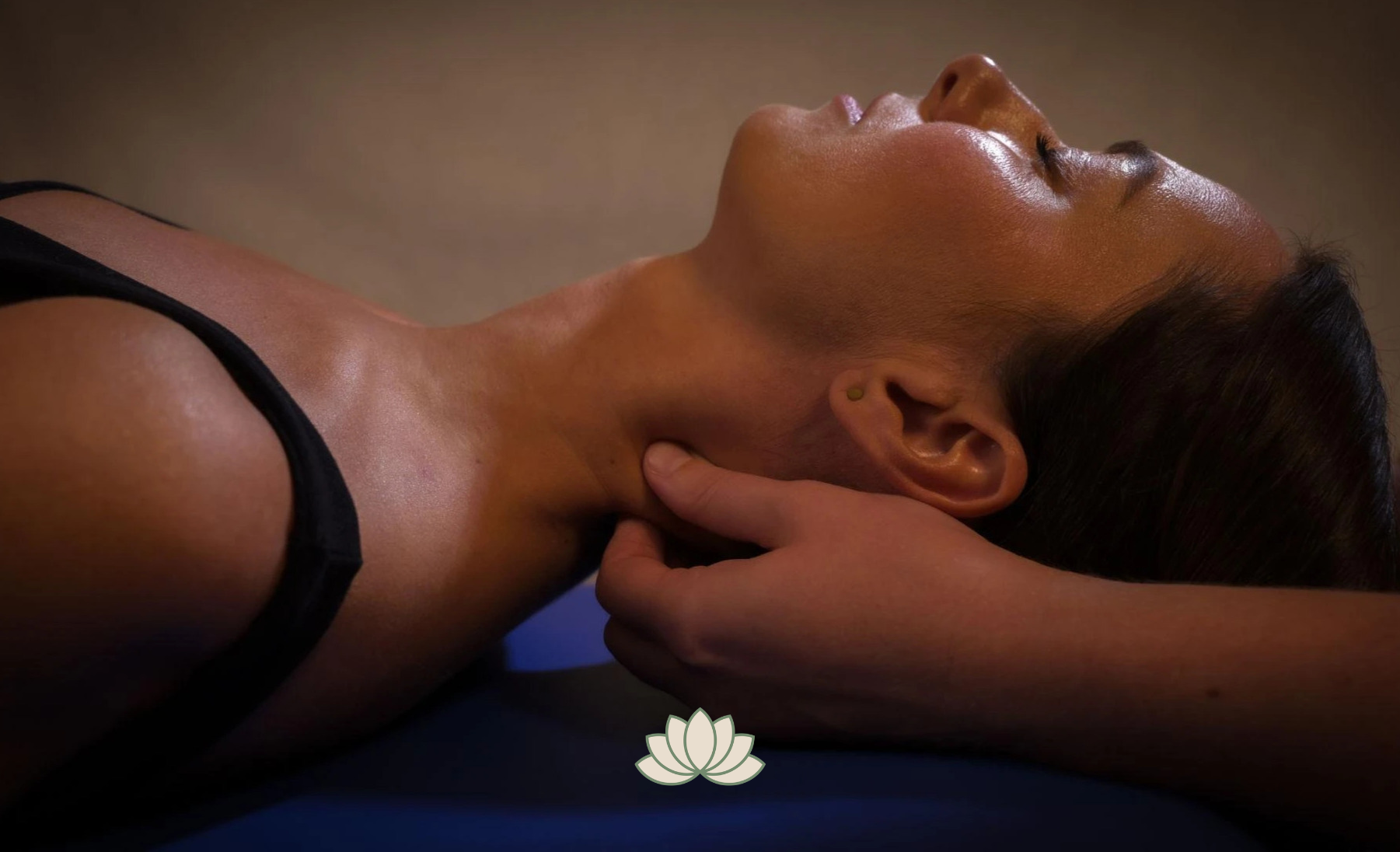
Massage is most effective when supported by good home care. This might include hydration, mobility work, or breathing exercises. Even simple routines help, like taking breaks during long workdays to prevent neck tension from returning.
Match frequency to your goals
How often you should get massage therapy depends on your needs. For acute pain, more frequent visits may help initially. For general wellness, less frequent but regular appointments may work.
Your therapist can adjust the plan based on your response, ensuring the work remains helpful rather than overwhelming.
Real-World Example: A More Efficient, Client-Centered Approach
How streamlined systems improve care
A case study from Medi+ssage showed that using a unified system improved patient experience and efficiency. While this focused on operations, it highlights an important point: effective bodywork involves not just technique but the entire client journey. For more, see Tebra.
Individualized care builds trust.
When clients feel heard, they are more likely to return and communicate clearly, leading to better results. Personalized care builds trust, which improves the session's quality.
Massage Therapy Trends Shaping the Industry
Specialization is on the rise.
The industry is moving towards specialization. Clients now seek solutions for specific concerns like stress or pain management. Therapists are building expertise in areas like somatic bodywork and orthopedic manual therapy.
Training is becoming more interactive.
Technology is now part of massage therapy training. Tools like gamified simulations help improve diagnostic reasoning and communication. This innovation leads to better outcomes and safer care.
What Clients in Lombard Should Look for in a Bodywork Provider
Look for listening, not just technique
Choose a therapist who asks about your goals and comfort level before starting. Good bodywork relies on listening. Avoid those who skip intake or treat everyone the same.
Choose a treatment that fits your goal.
If you want to relax, go for a gentle session. If addressing a specific issue is your goal, a more specific approach might be better. Combining services over time often yields the best results.
Frequently Asked Questions About Targeted Bodywork Therapy
What’s the difference between relaxation and therapeutic massage?
Relaxation massage calms the body with gentle touch, while therapeutic massage targets specific issues. Both can be valuable, depending on your needs.
How often should I get targeted bodywork therapy?
Frequency depends on your condition and goals. For acute pain or injury, weekly visits may help initially. For maintenance, sessions every two to four weeks might be enough.
Are there any side effects?
You might experience mild soreness or fatigue after deeper work. These effects are usually short-lived and should be discussed with your therapist.
Which modality should I choose first?
If unsure, start with a consultation. This allows the therapist to suggest the best approach for your needs, whether it’s clinical massage or something else.
Conclusion: Better Recovery Starts With the Right Kind of Touch
Targeted bodywork therapy helps with relaxation and recovery by addressing both physical tension and the nervous system. Whether your aim is pain relief, improved mobility, or stress reduction, personalized, assessment-driven sessions make a difference.
The industry is moving towards more specialized, trauma-informed care, giving you more options than ever. If you're ready to see the benefits of tailored care, check out Free Movement Bodywork for less tension and better balance. To book your session, call (630) 384-9128 or visit us at 350 W 22nd St., Suite 112, Lombard, IL 60148.